








Millions of people are at risk of poverty in retirement, with low- and middle-income earners particularly at risk of a “cliff edge” drop in income, according to the Pensions Commission.
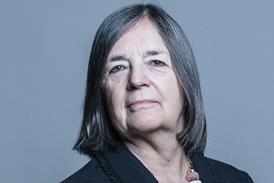
Publishing its interim report today (19 May), Baroness Jeannie Drake, one of the three commissioners leading the work on pension adequacy, said the situation required “a new national settlement on pensions”.
“Over the past two decades since the Turner Commission there is no doubt pensions reform can be described as a success,” Baroness Drake said. “Yet the second Pensions Commission is looking forward and seeing many people not saving enough and millions not saving at all.
“Achieving [a new settlement] will require clarity of purpose, but it also offers a moment of opportunity; to renew a social contract that commands confidence across the country.”
Baroness Jeannie Drake
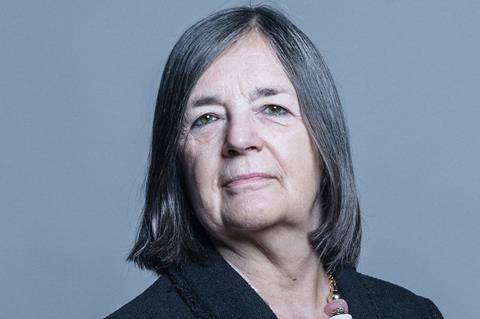
“This demands a renewed national settlement on pensions. Achieving this will require clarity of purpose, but it also offers a moment of opportunity; to renew a social contract that commands confidence across the country.”
The Pensions Commission’s final report is slated for early next year, with Baroness Drake promising that it will “address the need to secure adequate income in later life and a pension system that is fit for decades to come”.
Interested parties are being invited to submit evidence to the commission.
Initial findings lay bare looming pension crisis

The commission’s initial findings echo many recent reports and studies outlining low levels of pension saving.
Almost half (45%) of all working-age adults in the UK – some 18 million people – are not saving into a pension at all, the Pensions Commission’s report shows, despite the rise in coverage through automatic enrolment.
This is largely due to low earners, part-time workers, and self-employed people all falling outside the auto-enrolment thresholds.
“The Pensions Commission sets out clearly the scale of the challenge: not enough people are saving for retirement, and many of those that are aren’t saving enough.”
Torsten Bell, minister for pensions
Around 15 million people are not saving enough, the interim report stated, a figure that could rise to 19 million without action to address inadequate saving levels.
The commission also found that, where employers pay above the statutory minimum contributions, these payments largely benefit higher earners. Meanwhile, at retirement, around 30% of people withdraw their pension as early as they can, while half of all pots are withdrawn in full.
Without action, the Pensions Commission has warned that “millions more people could be at risk of becoming reliant on state support in retirement”.

Torsten Bell, the pensions minister, said: “Britain has got back into the pension saving habit, but the job is only half done with tomorrow’s pensioners still on track to be poorer than today’s.
“The Pensions Commission sets out clearly the scale of the challenge: not enough people are saving for retirement, and many of those that are aren’t saving enough.”
The next steps ahead of the 2027 report
A final report and recommendations for action will be published in “early 2027”, according to a press release.
This is expected to “set out the course to improving future outcomes while ensuring the system is fair and sustainable within and between generations”.
In the meantime, the Pensions Commission’s interim report said policymakers had a number of options open to them to improve outcomes while maintaining a political consensus over pensions.
It said that any changes must be implemented “in the right way”, with gradual rollouts of policy recommended.
Understanding the adequacy issue and how to solve it

In September 2025, Pensions Expert published a series of guest columns from trade bodies, unions, charities and think tanks, all looking at the retirement income adequacy problem and proposing avenues for the Pensions Commission to pursue. Revisit the series here in full.