











More than $6bn (£4.4bn) was stolen from Binance, a crypto trading exchange, in a huge heist that took place in late October. While the platform has pledged to reimburse all affected users, the event has focused attention on cybersecurity and investing in crypto assets.
For pension schemes, the direct impact is likely limited – not least because there are almost no schemes known to invest in bitcoin or other cryptocurrencies traded on the Binance platform.
But with global institutional interest in crypto increasing, will the incident derail the investment case for this nascent asset class?
A recent global survey by EY-Parthenon of 317 investors found that almost three-quarters (73%) planned to increase their exposure to digital assets, including crypto. However, two-thirds (66%) also cited custody of digital assets as an area of increasing concern.
Crypto custody concerns key
In the UK, just one unnamed pension fund is known to have invested in bitcoin, according to its investment consultant Cartwright. The consultancy group helped the scheme invest in bitcoin as a long-term asset in November 2024.
Sam Roberts, director of investment consulting at Cartwright, said the Binance incident was a lesson about how assets are held.
“For pension schemes, custody is as important as the allocation decision,” Roberts said. “For direct bitcoin allocations, our clients use exchanges to trade, not to hold. In our view, any institutional investor holding bitcoin directly should keep it in offline cold custody, in the investor’s own name and separate from the balance sheet of whoever provides the custody.
“Done properly, the main risk that should remain is price volatility. That means having custody terms that are understood, signing authority spread so no single party can act alone, assets verifiable, and trustees trained, before an allocation is made. For holdings through a fund, the same questions go to the fund’s custodian.”
“What was compromised at Binance was a custody arrangement, not an asset class. The answer is not to dismiss the asset, but to apply the same custody standard to it as to every other scheme asset.”

EY-Parthenon’s survey reported a “tonal shift” in investors’ approach to digital assets over the past couple of years, with custody emerging as a “gating factor”.
Price volatility had refocused investors’ attention on risk management, EY-Parthenon found, with exposures being built up “with greater emphasis on risk management and governance as volatility remains a defining feature of the asset class”.
Lessons to learn, but no need to panic
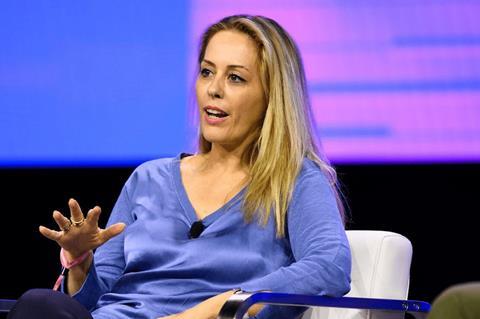
Vanessa Grellet, managing partner at technology investment house Arche Capital, agreed that the Binance hack was “a lesson in how to get exposure to digital assets”, rather than a reason to avoid investing.
She continued: “It’s also important to remember that UK pension funds and other institutions rarely hold crypto through an exchange account, regulated or not. Their exposure comes mainly through regulated, traditional-market instruments such as exchange-traded products and listed futures, held with qualified custodians and under the same governance as any other listed asset. That structure largely insulates them from the kind of exchange-level operational risk we saw with Binance.”
Grellet said: “For institutions considering an allocation, the questions to ask are about the wrapper and the custody chain: who holds the underlying assets, how they are segregated, and what insurance and proof-of-reserves standards apply.”
Cartwright’s Roberts added: “Bitcoin will not be right for every pension scheme. But what was compromised at Binance was a custody arrangement, not an asset class. The answer is not to dismiss the asset, but to apply the same custody standard to it as to every other scheme asset.”